Decode Dog & Cat Temperament: Calmer Care in 7 Days
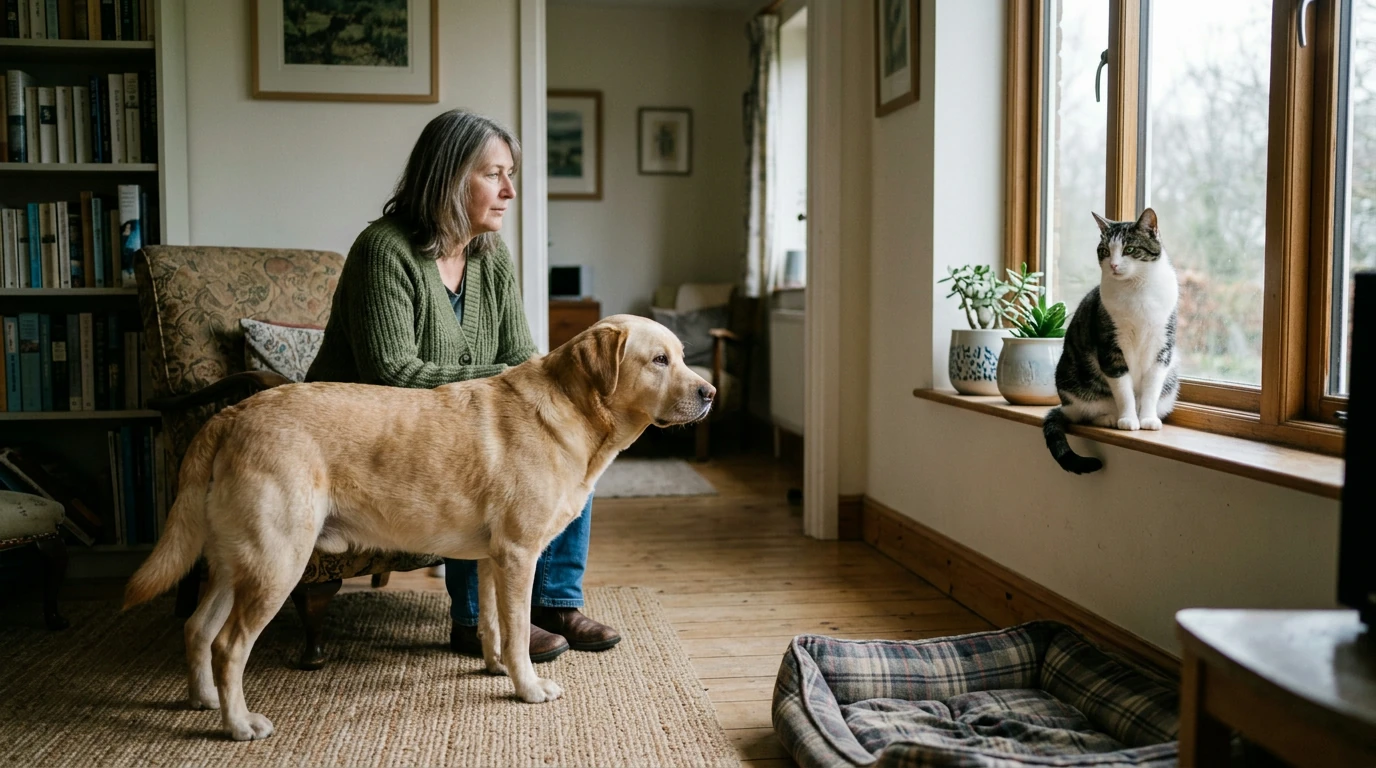
Understanding Your Pet’s Temperament: the “Why” Behind Everyday Behavior
Temperament is the steady backdrop that shapes how your dog or cat reacts to life—new people, noises, handling, change, and even boredom. It explains why one dog greets guests like a party host while another hangs back, or why one cat shadows you from room to room while another prefers quiet distance. When you understand temperament, training gets clearer, daily care gets kinder, and small issues are less likely to turn into big ones.
Our team put this guide together to help you spot readable cues and take simple next steps you can actually use at home—whether you live with a bouncy extrovert, a cautious observer, or a sensitive soul who needs extra predictability.
What “temperament” really means (and what it doesn’t)
Temperament is a blend of genetics, early experiences, and the current environment. It’s more stable than a mood (a bad day), but it’s not a life sentence—pets learn, adapt, and grow when they feel safe and when their environment supports them.
Common mix-ups to avoid
- Temperament vs. personality: Personality includes habits and preferences; temperament is the underlying sensitivity, sociability, and reactivity that show up across situations.
- Temperament vs. training level: Training is learned skills. Temperament affects how quickly skills generalize and how much support your pet needs around triggers.
- Temperament vs. medical issues: Pain, illness, and sensory changes can mimic “behavior problems.”
Safety note: If behavior changes are sudden, intense, or out of character (especially aggression, hiding, house soiling, or touch sensitivity), involve your veterinarian. Ruling out discomfort or illness protects your pet and makes behavior work far more effective.
Start with observation: the three-part behavior check-in
1) Body language
Look for posture (loose vs. stiff), ear position (both species), eye shape (soft vs. wide), muscle tension, and any “extra signals” like piloerection (raised fur). Dogs may also show tail height and wag style; cats may show tail motion, skin twitching, and whisker position.
2) Context
What happened right before the behavior? A doorbell, reaching hands, another pet nearby, a food bowl present, or an unfamiliar sound can be the real driver. Context tells you what your pet is responding to—so you don’t accidentally “train the wrong thing.”
3) Recovery time
Quick decode table: common signals and what they often mean
| Signal | Often indicates | Helpful response |
|---|---|---|
| Dog: loose body, wiggly hips, soft eyes | Comfort and friendly engagement | Reward calm greeting; allow choice to approach; keep arousal moderate |
| Dog: stiff body, hard stare, closed mouth | Tension, discomfort, possible guarding | Increase distance; avoid reaching; redirect; identify trigger; consider professional support if recurring |
| Dog: lip lick, yawning, turning head away | Stress/appeasement signals | Slow down interaction; reduce pressure; use treats for calm association |
| Cat: tail held high with relaxed tip | Confident, social readiness | Invite interaction; offer gentle petting; keep handling brief and positive |
| Cat: tail swish/thump, skin twitch, ears turning sideways | Overstimulation or irritation building | Stop petting; give space; provide enrichment; keep sessions shorter next time |
| Cat: crouched body, wide eyes, ears back | Fear, feeling unsafe | Provide hiding options; minimize noise; avoid forced contact; pair presence with treats at a distance |
Temperament patterns that shape daily life
Training that fits temperament (instead of fighting it)
Reward-based training builds confidence and clarity for both dogs and cats. It’s also aligned with modern welfare guidance from organizations like the American Veterinary Society of Animal Behavior (AVSAB).
Know when arousal is too high for learning
For fearful pets
For bold or pushy pets
Care and home setup: meet needs before problems start
- Dogs: Prioritize daily decompression walks (sniff-heavy, low pressure), predictable feeding/quiet time, and a safe zone for guests or delivery triggers.
- Cats: Add vertical territory, multiple resting spots, and play sequences that end with a “catch” plus a food reward. For behavior basics, International Cat Care is a helpful reference.
- Multi-pet homes: Distribute resources (food, water, beds, litter boxes) to reduce pressure and watch for subtle stress—blocking hallways, silent staring, or avoiding key rooms.
Handling common challenges with a temperament lens
Build a simple temperament profile in one week
Why our guide makes this easier to do consistently
If you want a single, step-by-step reference you can keep returning to, our team recommends: Understanding Your Pet’s Temperament: A Complete Guide to Decoding Dog and Cat Behavior for Better Care and Training (USD 39.99, in stock). It’s designed to translate observation into practical routines—so you’re not guessing what a behavior “means” or what to do next.
If you’re also building calmer routines around travel days (for you, not specifically pet training), we also keep In-Flight Comfort Steps (USD 176.99, in stock) available as a planning-friendly resource for more comfortable trips.
Next steps: a calm plan for the next 7 days
FAQ
How can temperament be told apart from poor training?
Temperament shows up across contexts (and includes baseline sensitivity and recovery time), while training is a learned skill set. A sensitive dog may know “sit” but still need slower exposure to visitors, while a steadier dog might generalize calm greetings more quickly once trained.
Can a fearful dog or cat become confident over time?
Yes—confidence can grow with gradual exposure, choice, predictable routines, and consistent rewards for calm, brave behavior. Avoid forced interactions, and involve a qualified behavior professional if fear is intense, escalating, or paired with snapping/biting.
What are the early signs of overstimulation in cats and dogs?
Early signs include rising muscle tension, tail changes (faster wagging or stiff tail in dogs; swishing/thumping in cats), ears turning back/sideways, and attempts to disengage like looking away or moving off. The simplest response is to stop the interaction, add distance, offer calm enrichment, and keep the next session shorter.












Leave a comment